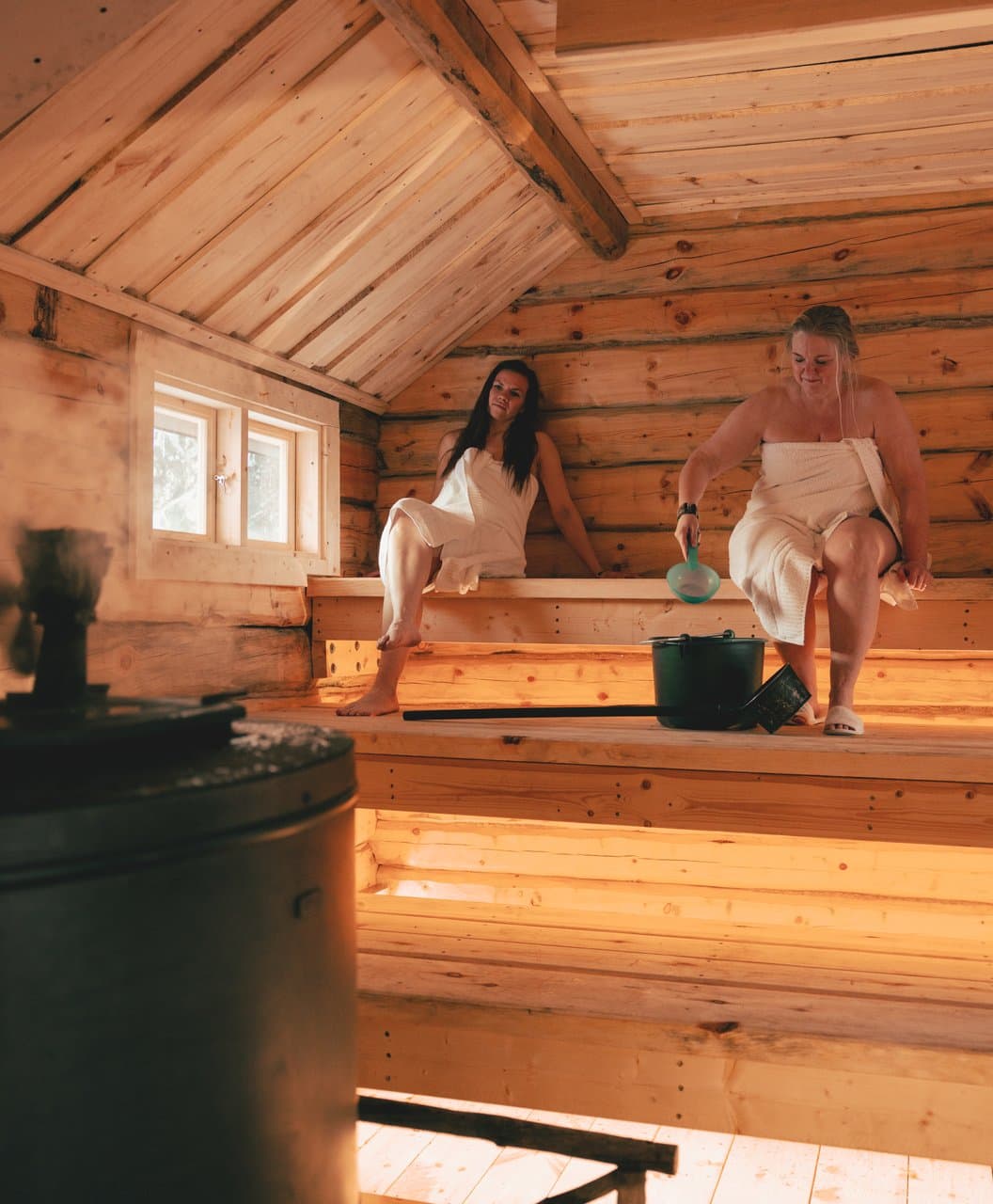
Our work
The Swedish Sauna Academy is a non-profit association based at Kukkolaforsen by the swirling border river in Haparanda. The association is neutral in matters of politics and religion. An essential part of its work is to spread information – through Facebook, publications, information sheets and newsletters – about how sauna culture is developed and spread. The Swedish Sauna Academy does not favour any particular type of sauna. Whether the sauna is wood-fired, a smoke sauna, a dry sauna or of another kind, in every case it is still a sauna.
What is good sauna culture?
Good sauna culture is about taking your time in the steam. A personal sense of hospitality can transform a simple sauna into the very highest form of pleasure.
The sauna offers you a close encounter with the basic elements: earth, fire, air and water. Do not begin your sauna bath by throwing water on the hot stones. Wait until your body has grown warm.
The last person to enter the sauna decides when it is time to throw water on the stones. Be considerate! It is no admirable feat to drive up the heat so that no one can stay inside an unbearably hot sauna. The sauna is meant to be enjoyed.
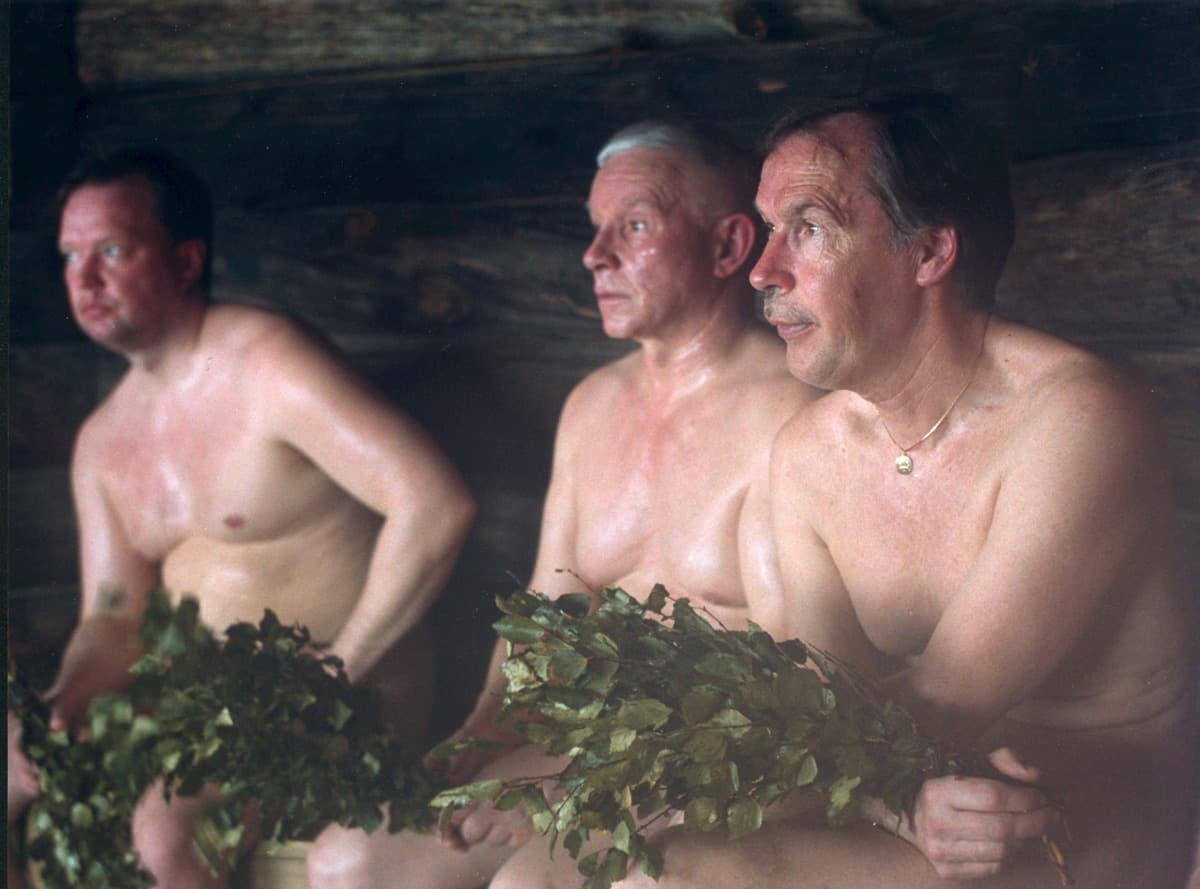

Bath + cabin = bathing cabin = bastu
Interesting and fun facts about the sauna. The Swedish word "bastu" is a contraction of "badstuga" (bathing cabin). Bathing cabins appeared in Sweden in the 15th century and were also called "sweat cabins". Since soap did not exist, the dirt was sweated away – hence the name. In the past the sauna was often the cleanest room in the home and therefore had several uses. Women gave birth there, it was used as a laundry and for drying and smoking food. Who hasn't heard of sauna-smoked ham?
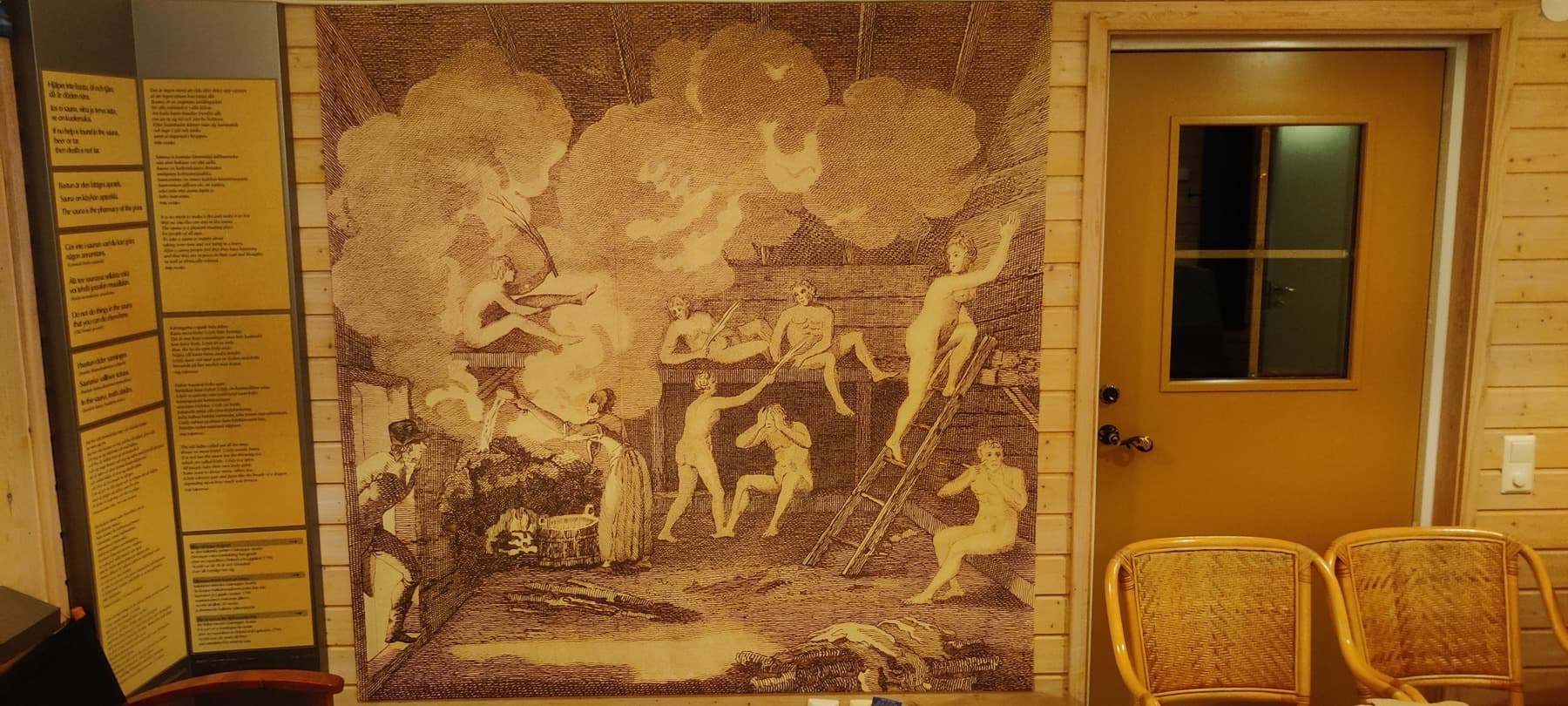
1725 was a dark year for Swedish sauna bathing, when it was banned across nearly the whole country. Saunas suddenly became synonymous with dens of sin and with syphilis epidemics linked to prostitution. To bathe and to sweat became disreputable. But in Finland, Russia, Estonia and the northernmost part of Sweden people ignored the ban, because everyone knew that here sauna bathing was simply a pleasant family activity. With the ban, interest in the sauna cooled, and it was not until the early 20th century that it revived.
The sauna came to the Nordic region about 2,000 years ago. In Finland the bastu is called sauna, a fusion of the words 'savu' and 'maja', meaning smoke cabin. The first Finnish sauna began as an earth version without a chimney, dug into a slope; then came the smoke sauna, also without a chimney; after that development moved quickly up to today's electric heaters (though smoke saunas are still used today).
The museum and the laboratory
From the collections in Kukkolaforsen to the research plans at Sunderby Hospital. The academy cares for the sauna's history and follows its future.
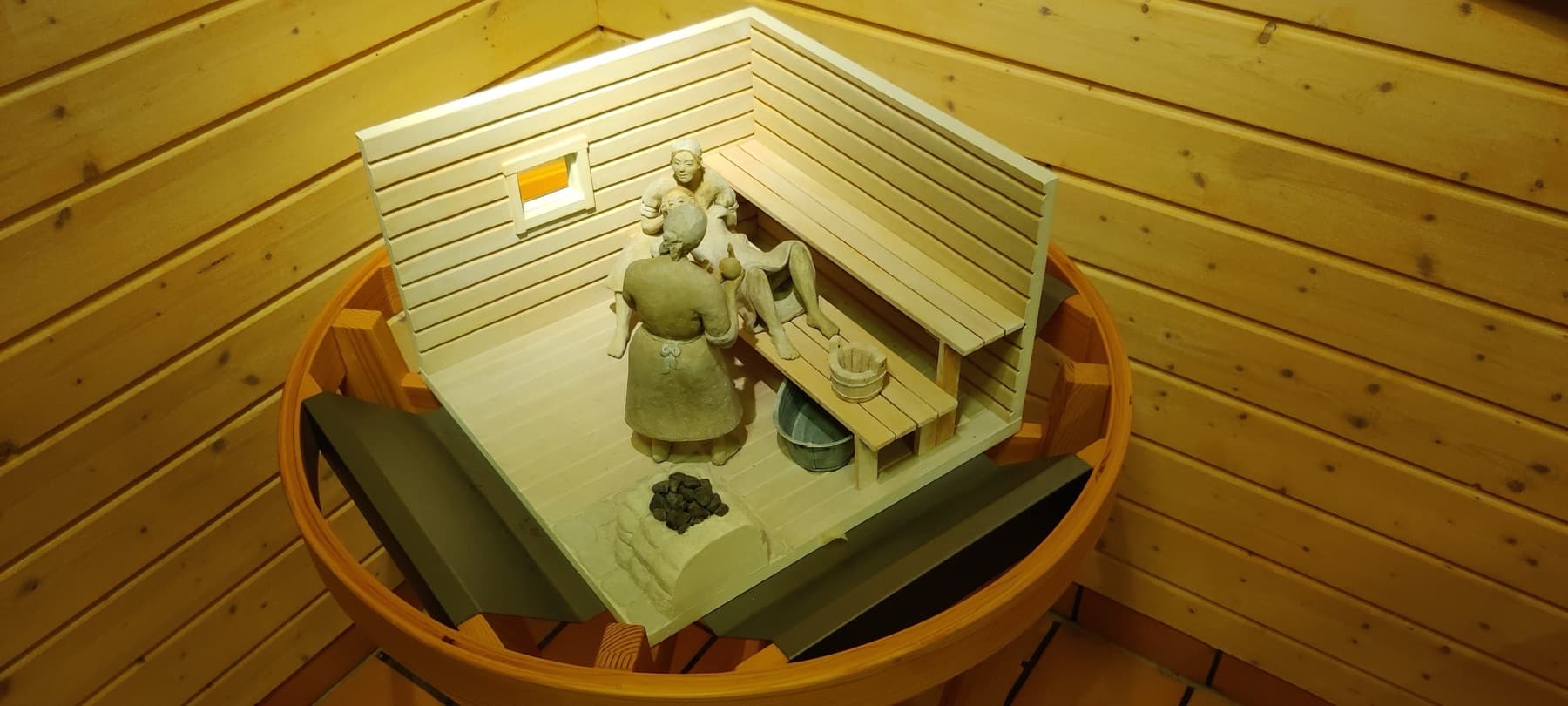
Sauna Museum
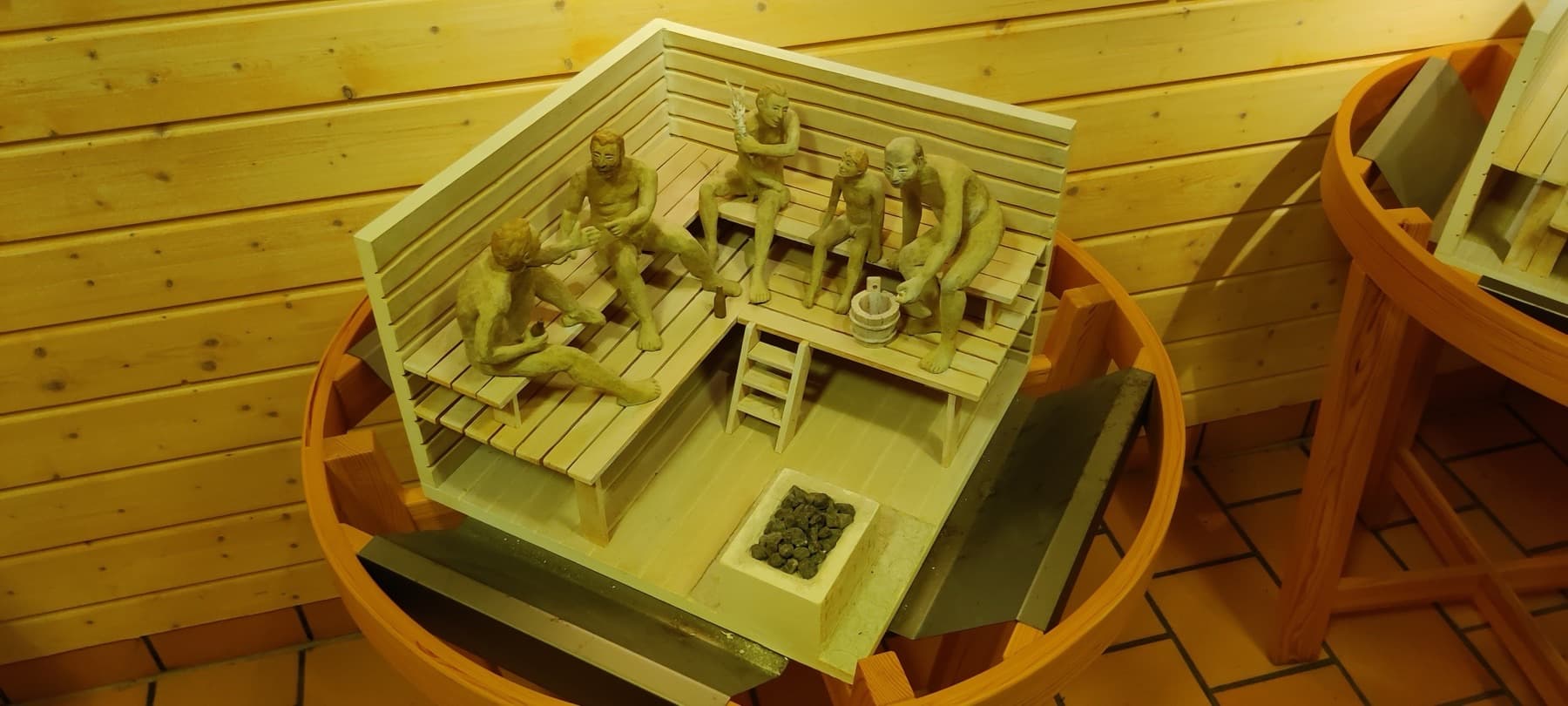
At the sauna museum in Kukkolaforsen, new knowledge awaits about how sauna culture has developed through the ages. Here you can visit different types of saunas, learn about the positive health effects of sauna bathing and find out everything about how best to take a sauna bath.
Read more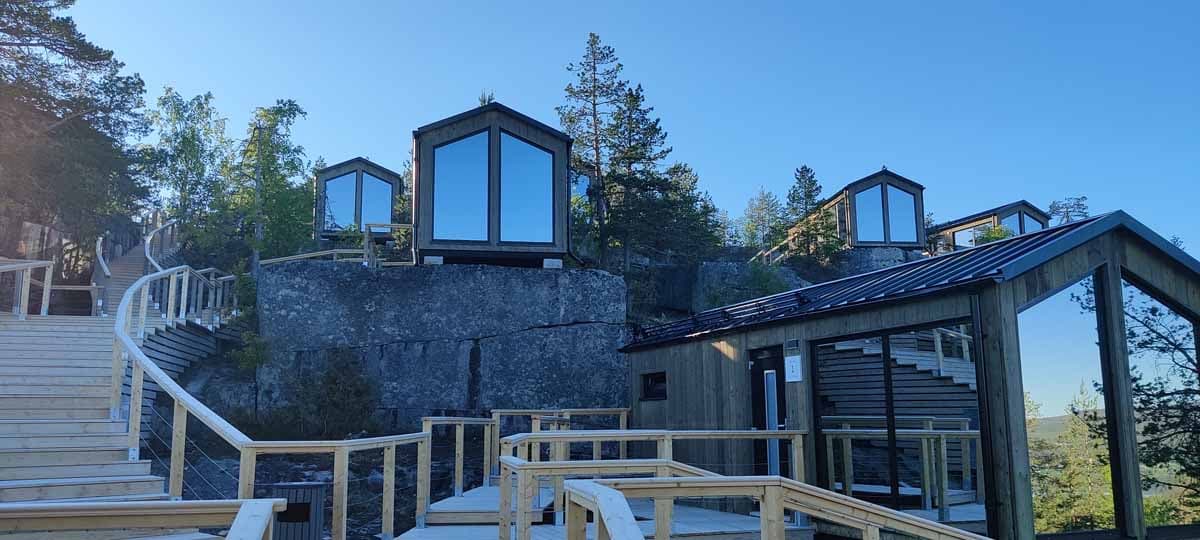
The Sauna Laboratory
Sweden's first sauna laboratory is to be located in Norrbotten, at Sunderby Hospital, where it will offer the opportunity to study scientifically how healthy sauna bathing is.
Read moreFurther reading
Advice, research and stories from sauna culture.
 The Sauna DoctorLuleå may be about to get Europe's only sauna laboratory. Hans Hägglund, known as the Sauna Doctor, is one of the driving forces behind the world's first sauna lab.
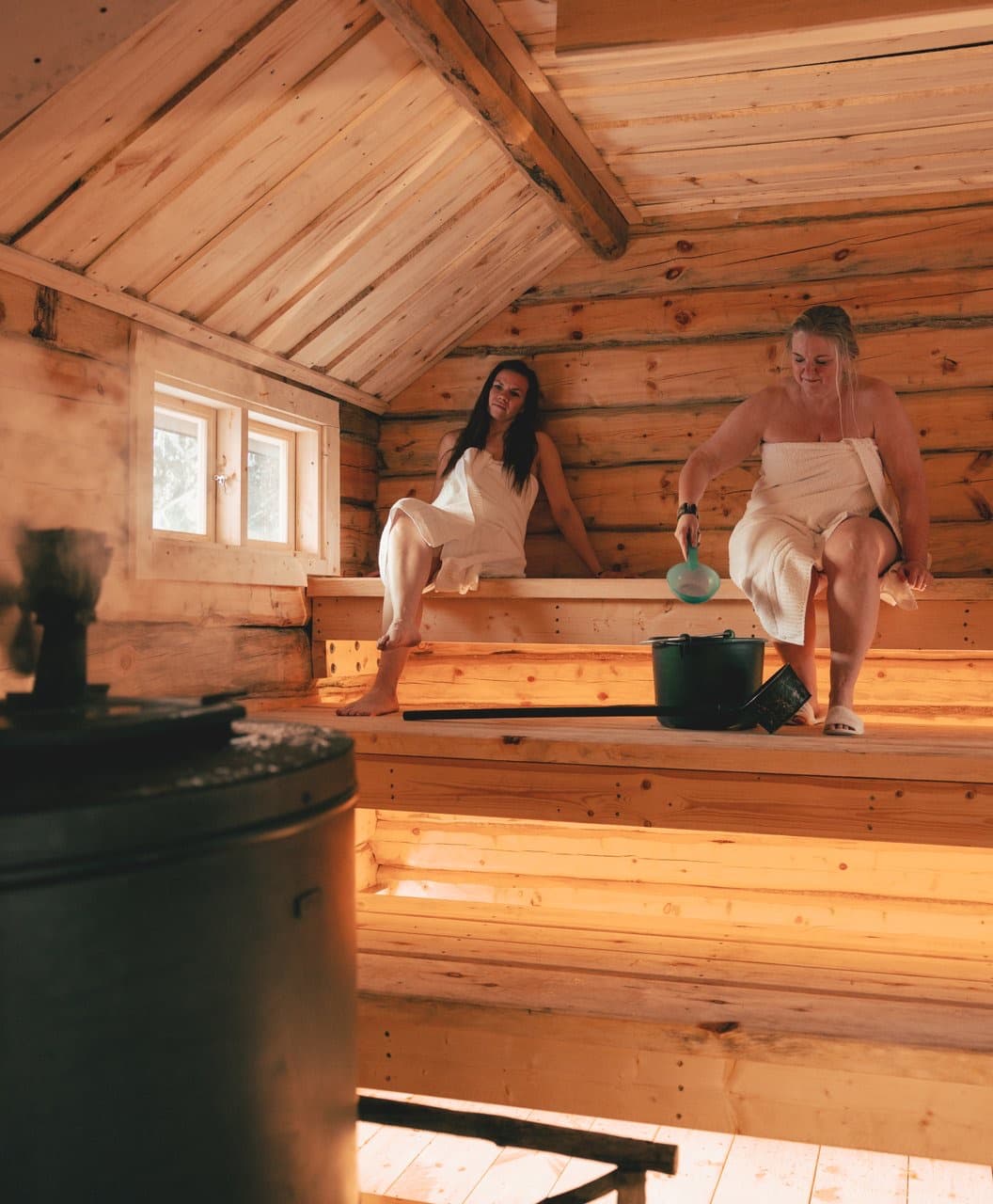 Health and the saunaRegular sauna baths reduce the risk of sudden cardiac death and other fatal heart diseases, a Finnish study shows.
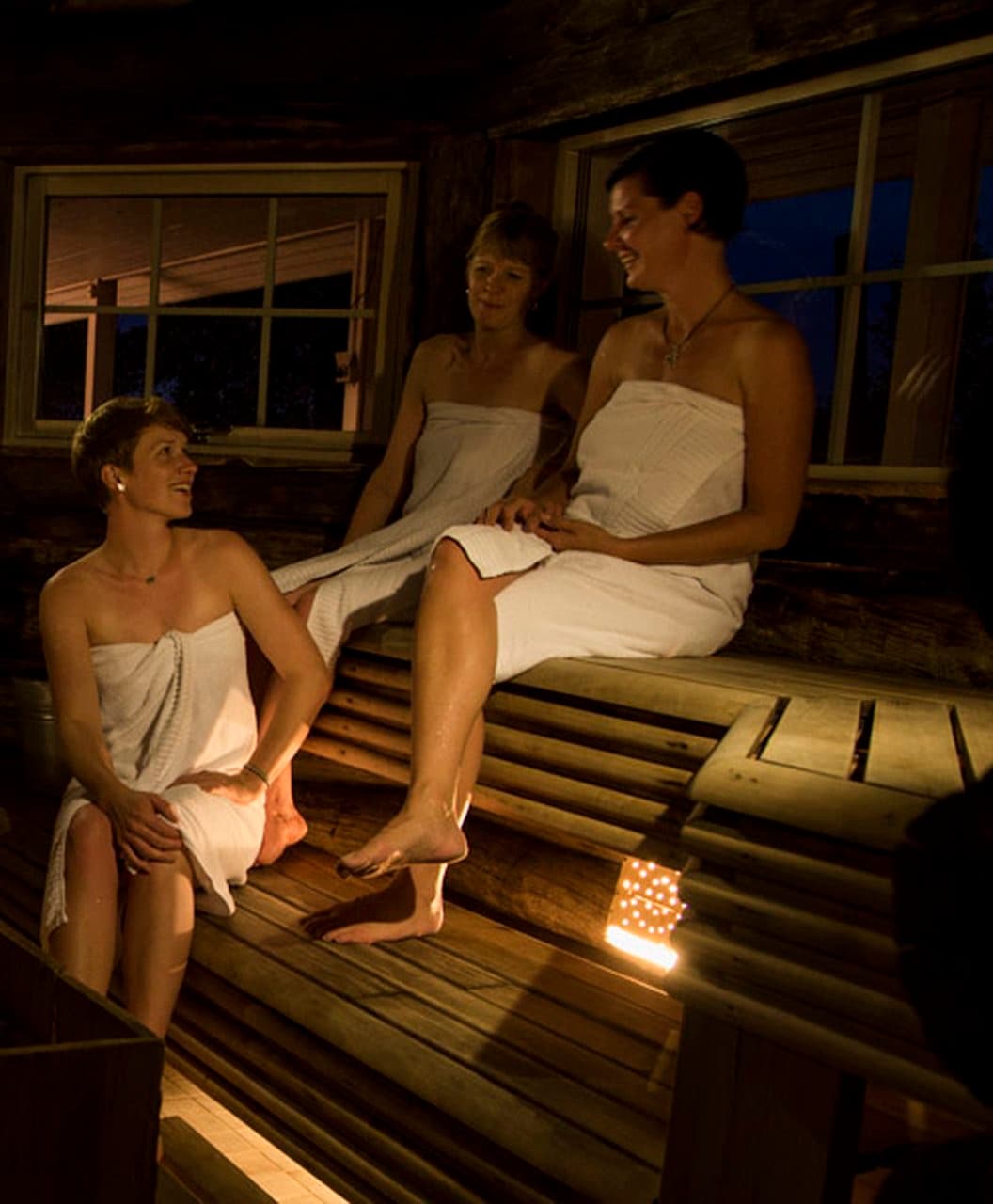 Health and the sauna, part 2Modern medicine has its cradle in ancient Greece, where baths were at the same time a centre of spiritual and bodily culture. From here sauna bathing spread further into Europe and Russia.
 A few building tipsSauna bathing is wonderful, healthy and necessary! Here are a few building tips for when you are planning to build a sauna.
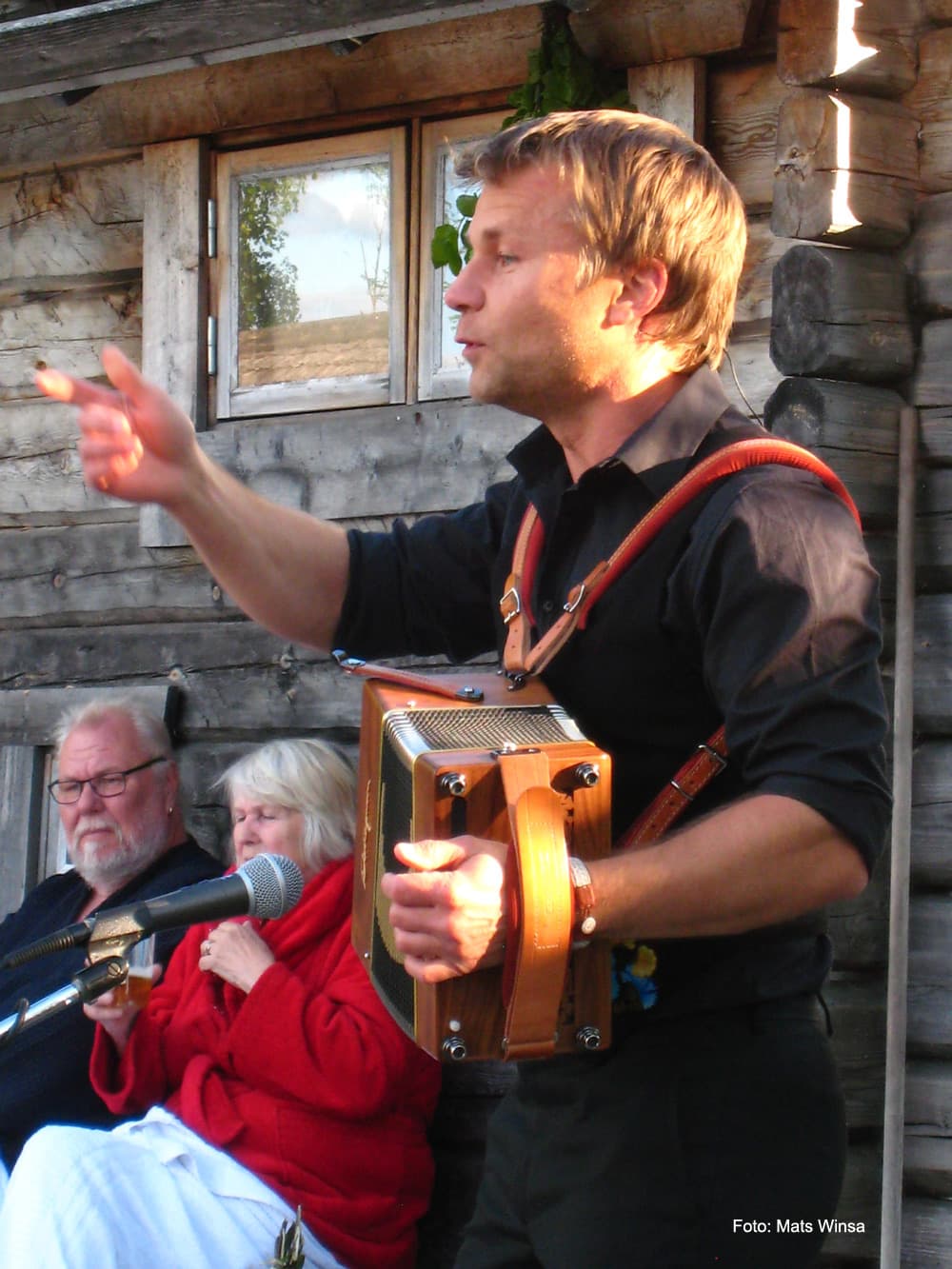 Sauna cultureWhat Svante Spolander doesn't know about saunas isn't worth knowing. He was born and raised in Kukkola, in the heart of the Torne Valley, where the sauna is the natural, fixed point of existence.
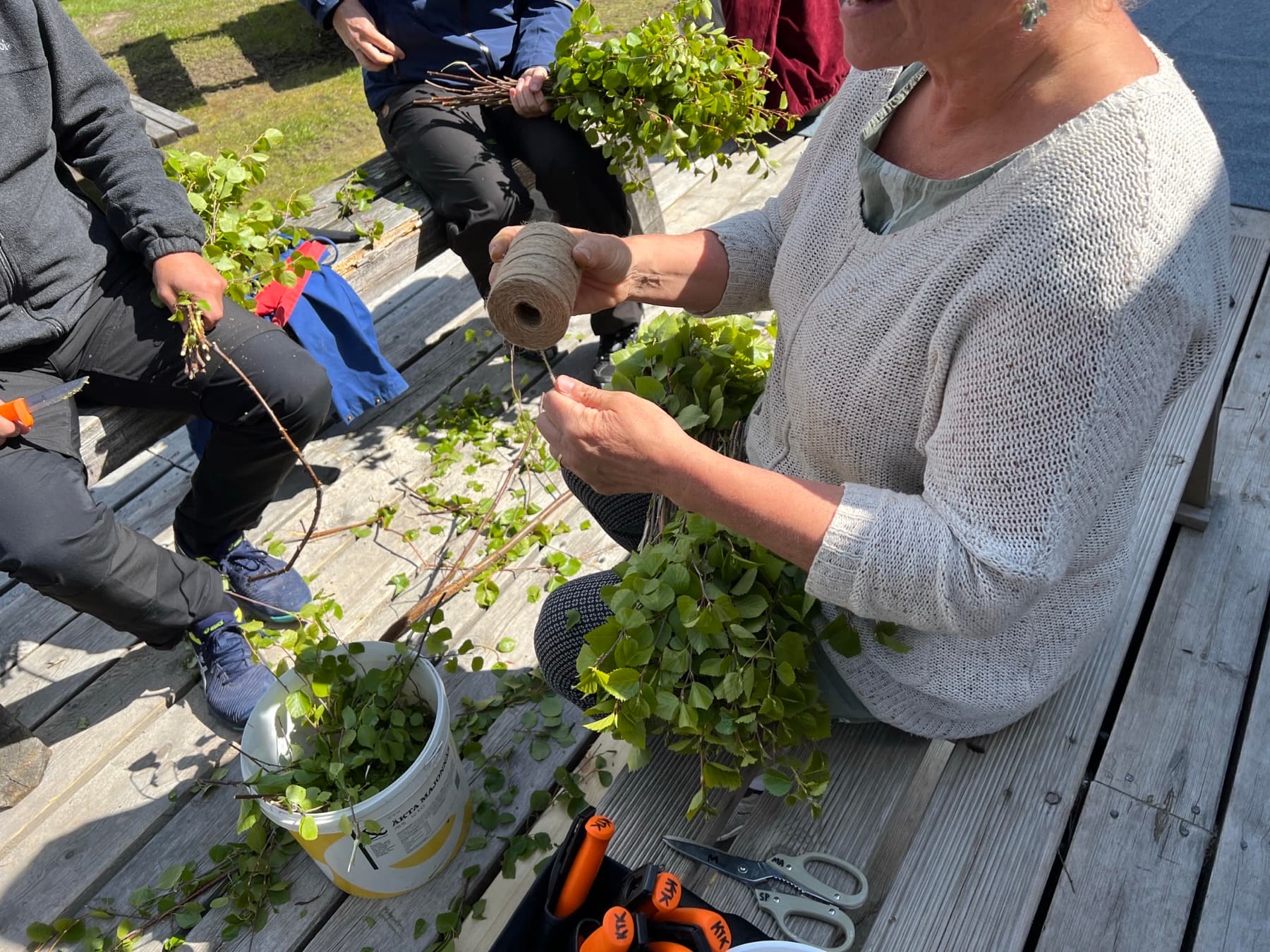 Binding a sauna whiskWithout a doubt, a leafy whisk gives the sauna visit a higher dimension. You can read here about the art of making a leafy whisk, a "vihta".
The picture archive
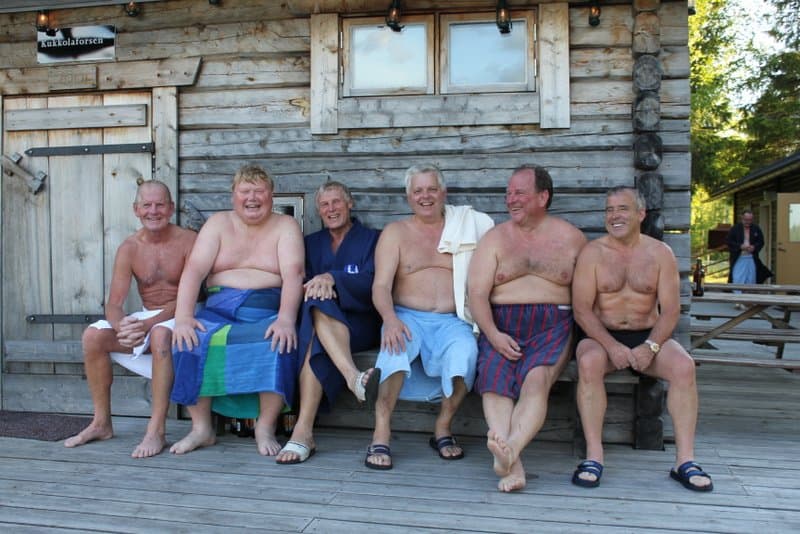
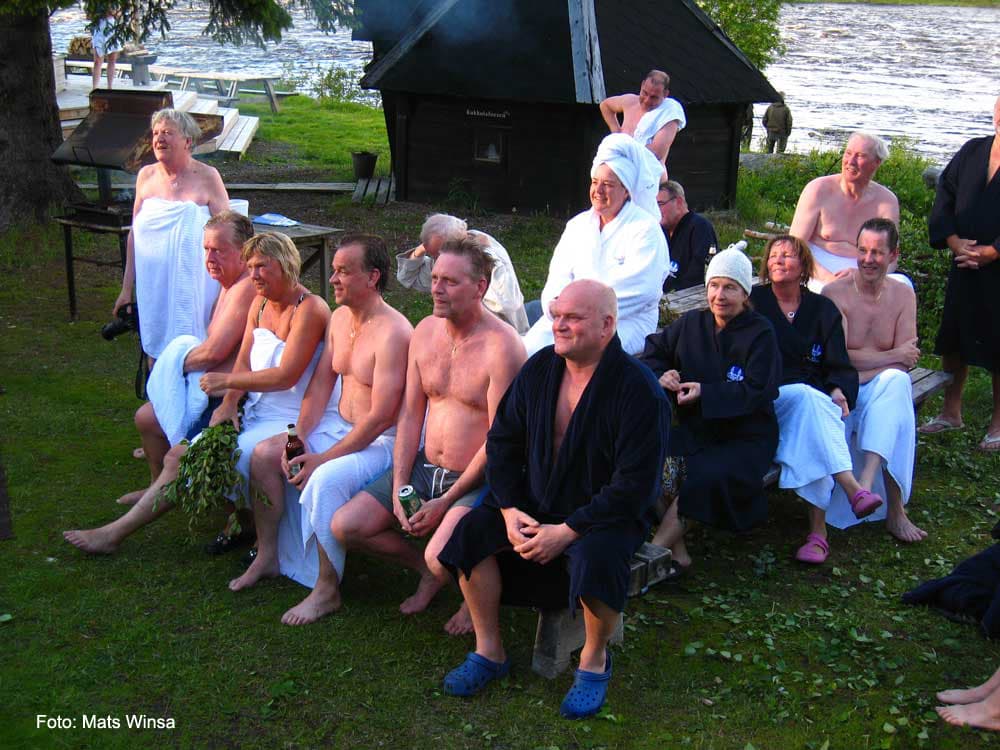
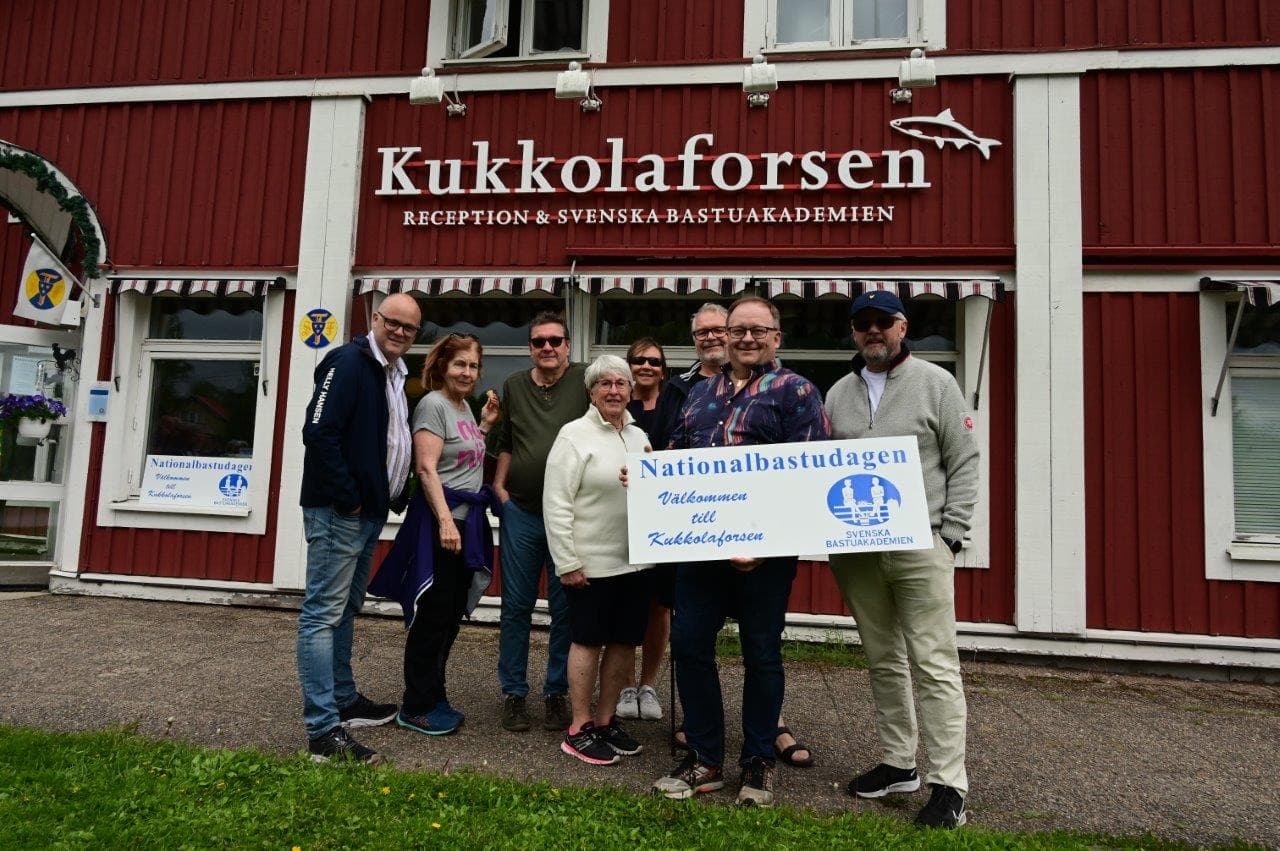
Moments from the museum, the sauna days and life around the academy.
From the minutes
The board's meetings, venue by venue.
- Board meetingsThe Swedish Sauna Academy holds board meetings at various venues around Norrbotten.
- Board meeting at BodensiaThe Swedish Sauna Academy held a working meeting ahead of Sauna Congress 2018 and a board meeting at the Bodensia hotel in Boden.
- Board meeting at FilipsborgOn 12 October 2018 the Swedish Sauna Academy held its first board meeting after the exceptionally successful XVII International Sauna Congress of 7–10 June 2018. The venue was Filipsborg manor in Kalix.